
2026

Shayla Viet
Detection and investigation of solar storms at Mars and Earth - 10.03.26
This talk will present an introduction to space weather, from its origins on the Sun to its impact on the Martian environment. The presenter will describe an unconventional and opportunistic method using housekeeping data to detect and investigate space weather events at Mars, and demonstrate how instruments from ESA and NASA missions complement the results. Afterwards, we will explore how space weather can be investigated on our own planet, with the university satellite CENSSAT-1 Bifrost that is currently in development. This talk will be given by a recent physics NTNU graduate, who will also share how she is building space instruments and conducting space science research. Additionally, the audience will receive tips on how to pursue a career in the space sciences and learn about the academic journey that the presenter herself has taken.
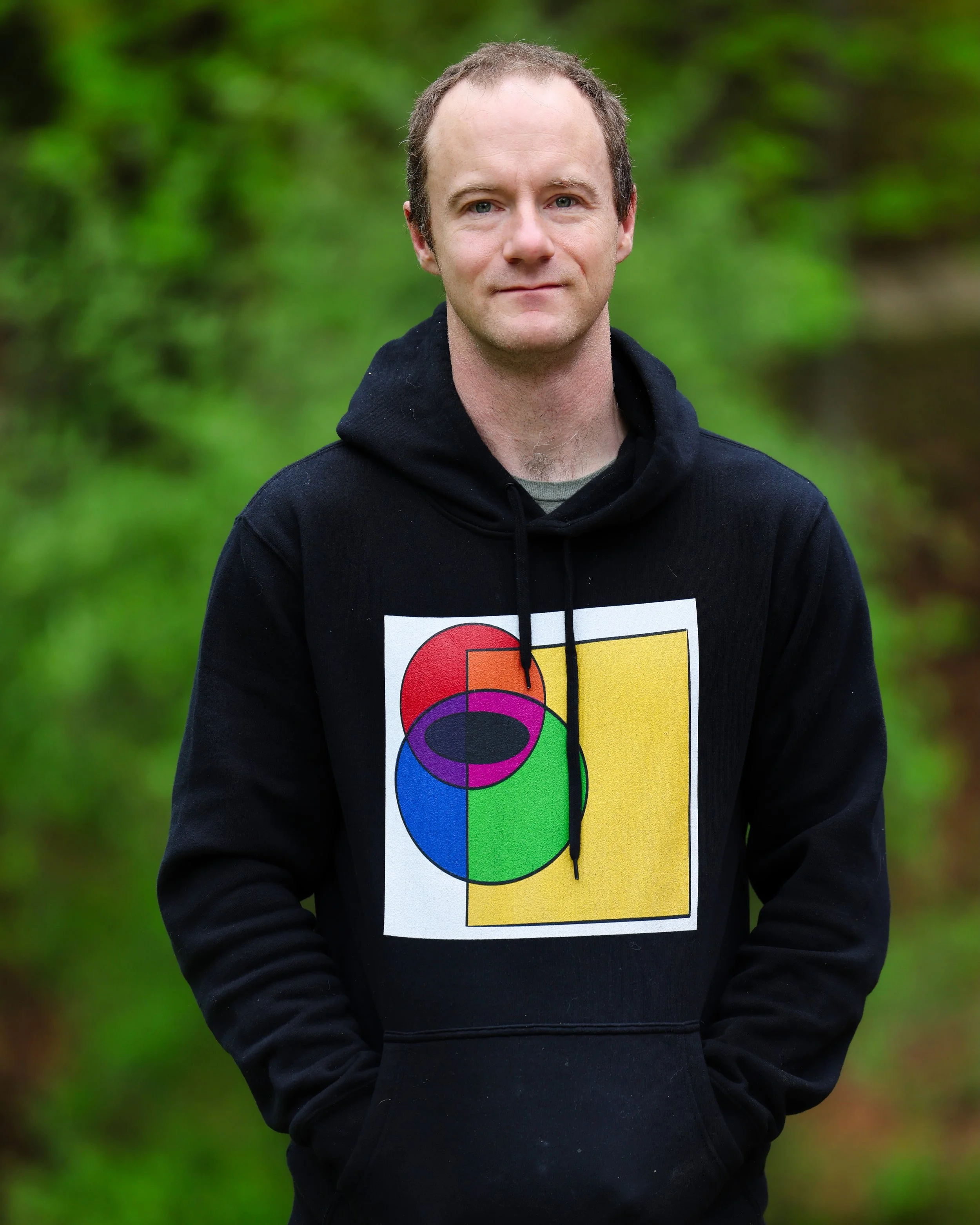
Michael Penn
Why Abstract Mathematics Works - 11.03.26
From Symmetry to Artificial Intelligence
Why does mathematics developed with no practical goal in mind so often become essential to modern technology? Ideas from number theory secure the internet, Fourier analysis powers medical imaging and communications, and linear algebra lies at the heart of today’s artificial intelligence. In this talk, we explore how mathematics grows from simple human intuitions about patterns and symmetry into abstract structures that repeatedly appear across science and engineering. Along the way, we will see how concepts discovered centuries ago unexpectedly became foundations of technologies that shape our daily lives. Beyond applications, the lecture will also present mathematics as a creative and enduring human achievement — one that expands knowledge, culture, and our understanding of the world.

Ingve Simonsen
Complex Networks: Structure and cascading failures - 11.03.26
Complex networks are a collection of nodes and links with non-trivial topological structures. For large complex networks it’s challenging to determine this structure. The robustness can at times be an issue, causing cascading failures. In this talk we will use a simple diffusion inspired random walk model to identify network structure and to study cascading failures.
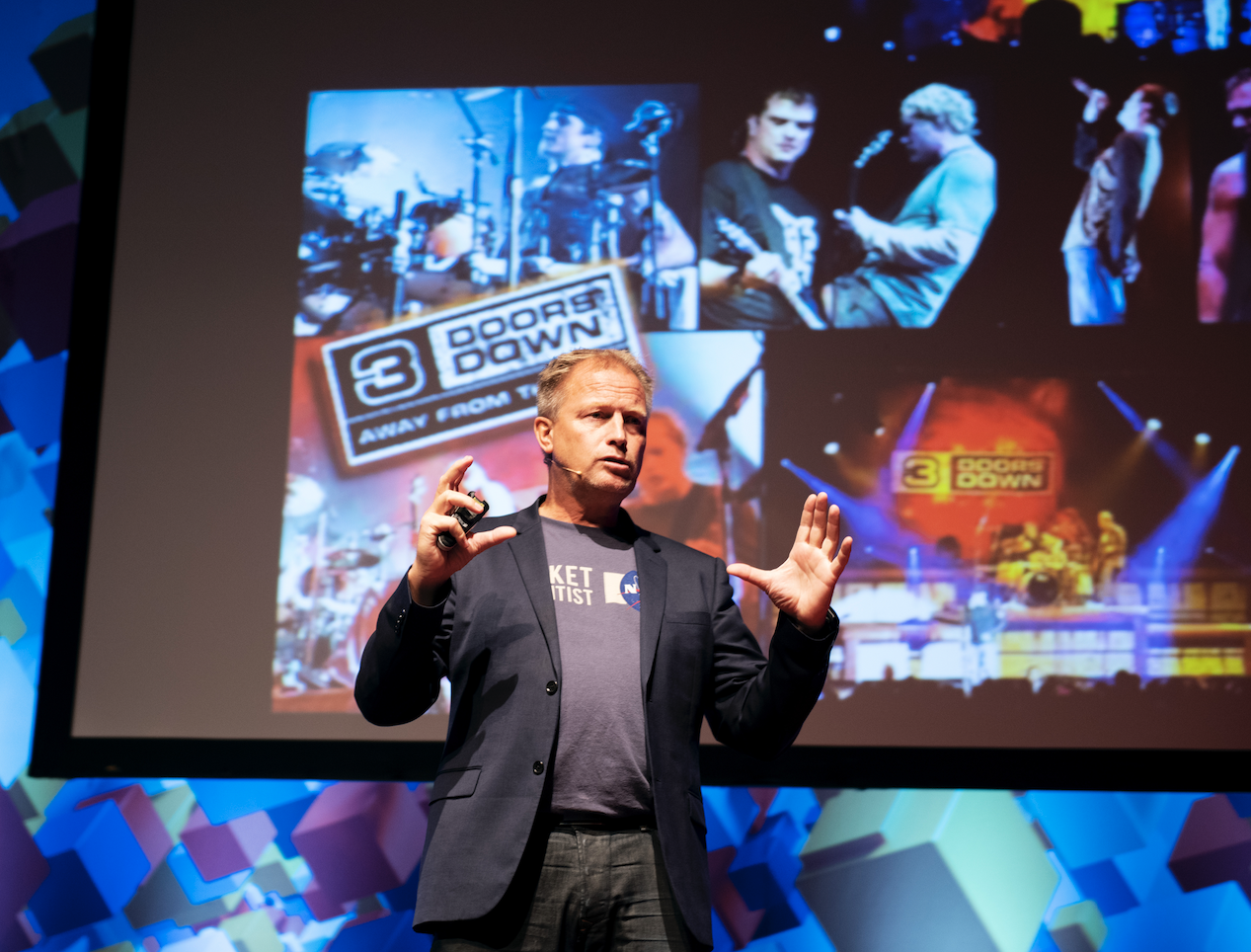
Pål Brekke
Astrorock – en kosmisk reise gjennom rockens historie - 12.03.26
Romalderen har inspirert mange komponister og musikere. Og mange fikk sitt gjennombrudd med romrelaterte sanger. Elton John slo gjennom med «Rocket Man», David Bowie’s første hit var «Space Oddity». Og Pink Floyds debutalbum inkluderer sangen «Astronomy Domine» og den legendariske Dark Side of the Moon er kjent for alle. Queen synger om Einsteins relativitetsteori, og gitaristen Brian May fullførte sin doktorgrad i astrofysikk i 1987. Hør Katie Melua rette sin egen sang der hun bommet med 1.7 milliarder lysår. Opplev smakebiter fra kjente hits sammen med spektakulære videoer og animasjoner fra verdensrommet inkludert siste nytt James Webb Space Telescope. En multimediepresentasjon spekket med fascinerende og lærerike filmer knyttet sammen med god musikk og musikkhistorie.
Kamma Ask Tyse og Benjamin Smeltzer - SINTEF
Fra fysikkstudent til forsker - 12.03.26
Sjakkturnering - 12.03.26
Fysikere og SINTEF forskere Kamma Ask Tyse og Benjamin Smeltzer forteller hvordan de gikk fra fysikkstudenter til forskere, deretter sponser SINTEF sjakkturnering med pris for 1., 2. og 3. plass.
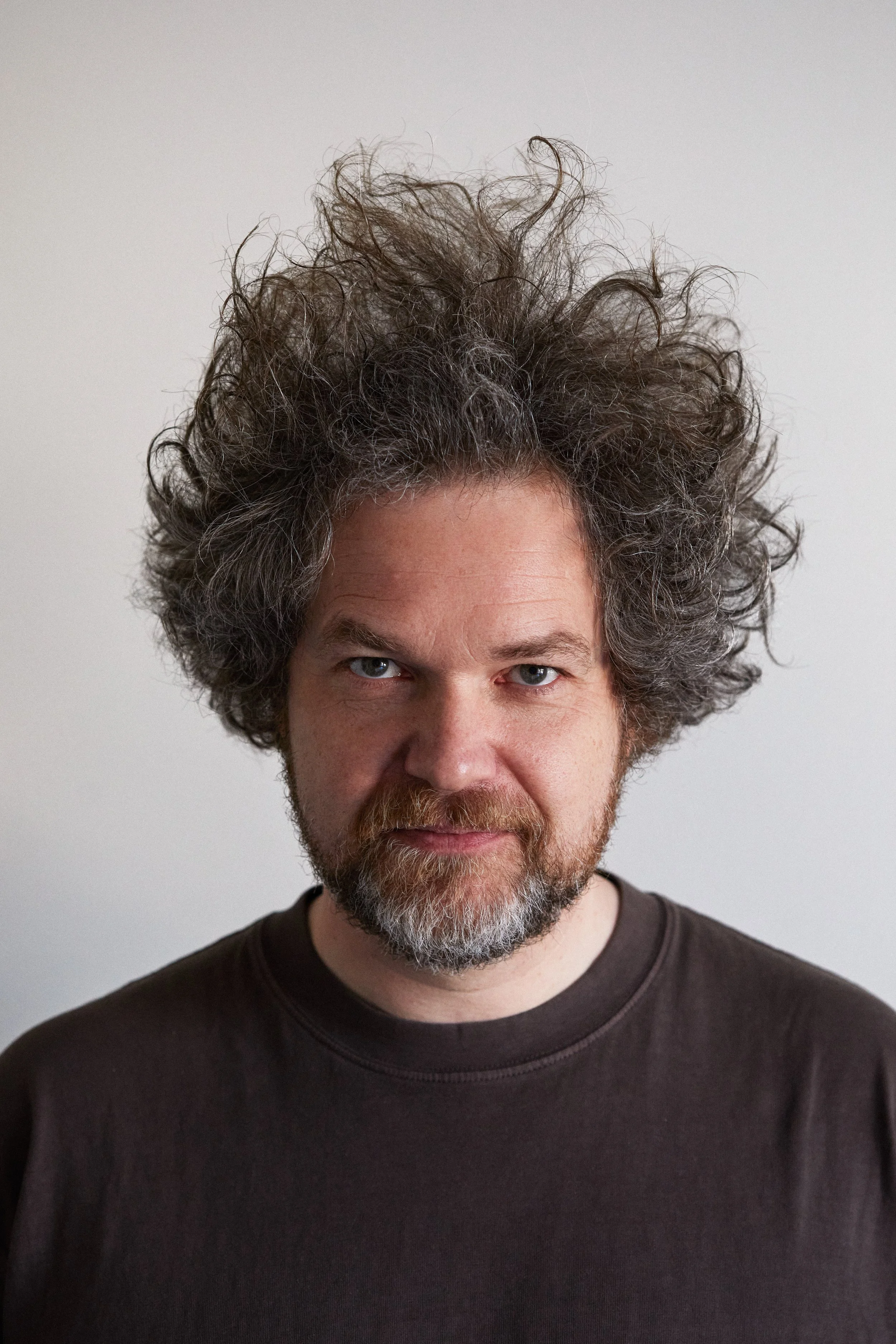
Jo Røislien
Farlig Matematikk - 13.03.26
Matematikken er enten rett eller gal. Det finnes ingen gråsoner, ingen subjektiv synsing eller bortforklaring. Matematikken bringer like fullt fram følelsene i oss – det er ikke alltid svaret på et matematisk regnestykke er det svaret man ønsket seg.
Via kirkekor og hardrock, djevelen, hackere og Hollywood tar foredraget deltakerne med på en reise i hva som kan skje når den rene matematikken kræsjer med den skitne virkeligheten. Jo Røislien forteller om forbudte brøker, koding og ulovlige tall, djevelsk geometri og politiske forsøk på å sette jus over matematikk.